In 2025, plagiarism has become more sophisticated than ever, making it harder to spot and more dangerous for anyone who creates or shares content. Whether you are a student, professional, or digital creator, originality is crucial to your success and reputation.
The risks of undetected plagiarism are real. Academic penalties, job loss, and even legal trouble can result from just one overlooked mistake. That is why knowing how to check for plagiarism is more important than ever.
This essential guide will walk you through proven strategies, the latest tools, and expert tips to ensure your work is truly original. You will learn what plagiarism is, why it matters, detection methods, the top tools, and best practices for 2025.
Understanding Plagiarism in 2025

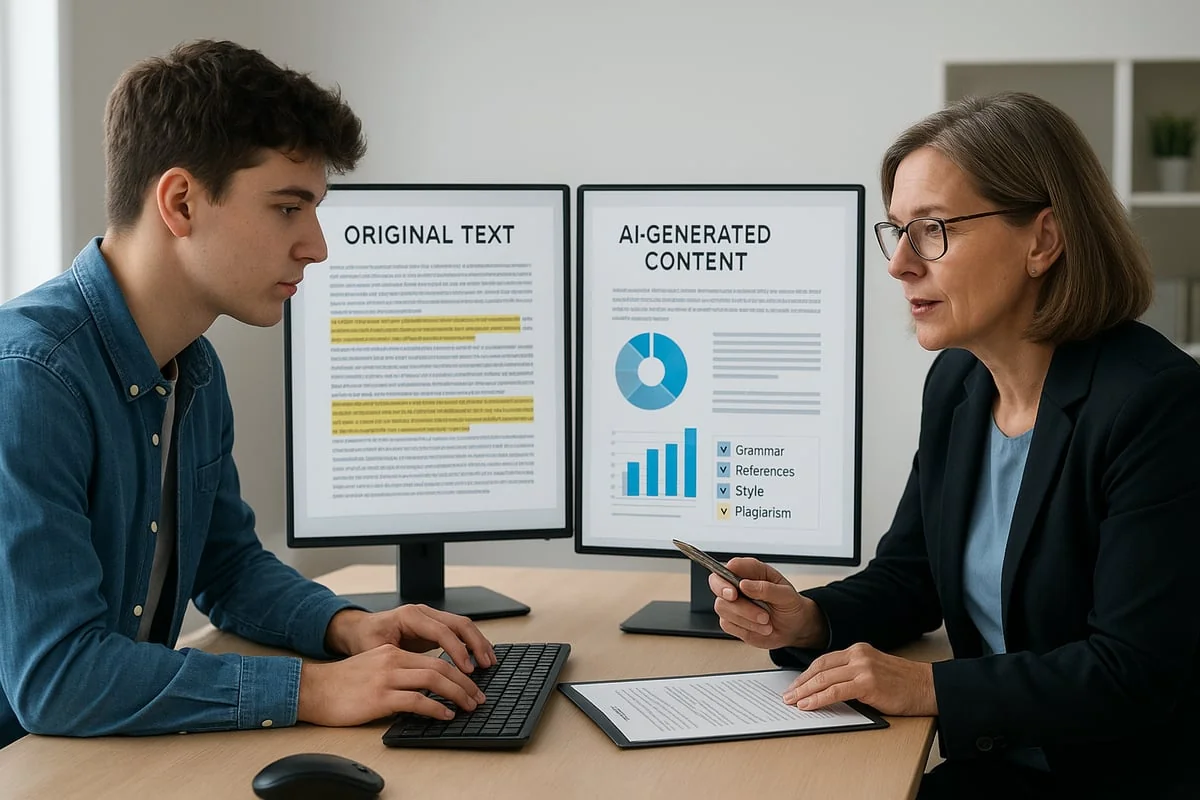
Plagiarism is the act of presenting someone else’s work, ideas, or words as your own without proper acknowledgment. In the digital age, how to check for plagiarism has become more complex due to new forms and advanced technology.
Types of Plagiarism in 2025:
Type | Description | Example |
|---|---|---|
Direct | Copying text verbatim without citation. | Copy-pasting a paragraph from a website. |
Mosaic | Rephrasing and blending sources without credit. | Mixing sentences from articles. |
Self-Plagiarism | Reusing your own previous work without disclosure. | Submitting the same essay twice. |
Accidental | Unintentional failure to cite or paraphrase properly. | Forgetting to reference a source. |
AI-Assisted | Using generative AI to create or rewrite content without attribution. | Submitting AI-generated essays. |
Translated | Translating content from another language and claiming it as original. | Translating a foreign blog post as your own. |
A recent Turnitin 2024 report reveals a 36% increase in AI-assisted plagiarism cases. For example, universities have discovered students submitting AI-generated assignments that closely mimic original research but lack proper citation. In publishing, editors have flagged translated articles that bypass traditional detection.
For those concerned about AI-driven paraphrasing, tools like the AI Vocabulary Finder Insights can help uncover subtle instances of manipulated content, making it easier to understand how to check for plagiarism in the modern era.
The Impact of Plagiarism
The consequences of plagiarism are more severe than ever. Understanding how to check for plagiarism is essential to avoid serious repercussions that can affect your academic and professional future.
Academic Consequences:
Failing grades or course expulsion
Revoked degrees and academic bans
Professional Consequences:
Loss of reputation and credibility
Job termination or legal disputes
Ethical Impact:
Erosion of trust among peers and institutions
Notably, in 2024 and early 2025, several high-profile scandals made headlines. For example, a major research journal retracted multiple articles after discovering extensive AI-generated and translated plagiarism, resulting in damaged reputations and institutional investigations. These cases highlight why it’s vital to learn how to check for plagiarism proactively.
Why Plagiarism is Harder to Detect Now
The landscape of plagiarism detection has changed. With the rise of AI writing tools and sophisticated paraphrasing software, knowing how to check for plagiarism requires a more strategic approach.
AI-powered content creators generate human-like text, making detection difficult.
Content spinning and translation tools can mask the original source.
Plagiarism now crosses languages and media formats, from text to images and even code.
Recent statistics show that 28% of educators report increased difficulty in spotting plagiarism, according to Educause 2024. This challenge is compounded by the vast amount of information available online and the limitations of outdated detection methods.
To stay ahead, individuals and institutions must adopt advanced strategies and tools, ensuring they know exactly how to check for plagiarism in all its modern forms.
Step-by-Step Guide: How to Check for Plagiarism
Ensuring your work is original has never been more vital. This step-by-step guide will walk you through exactly how to check for plagiarism using the best methods and tools available in 2025. Follow these practical steps to protect your academic, professional, or creative reputation.

Step 1: Gather and Prepare Your Content
The first step in learning how to check for plagiarism is making sure your content is ready for review. Start by identifying the document or text you need to evaluate, whether it is a student essay, a blog post, or a research paper.
Ensure your file is in an accepted format, such as PDF, DOCX, or TXT. Remove any non-text elements like images, charts, or embedded links to guarantee accurate scanning. This preparation minimizes false positives and ensures the tool focuses solely on the written content.
For example, if you are checking a student essay, save it as a DOCX file and strip out any cover pages or appendices. When preparing a blog post, copy only the body text without ads or widgets. Careful preparation at this stage makes the rest of the process more effective and reliable.
Step 2: Select the Right Plagiarism Detection Tool
Choosing the right tool is a crucial part of how to check for plagiarism effectively. Consider several key criteria:
Accuracy: How reliably does the tool detect copied or paraphrased content?
Database Size: Does it scan academic, web, and publication sources?
AI Detection: Can it identify AI-assisted or paraphrased plagiarism?
Source Tracing: Does the tool show exactly where matches are found?
Price: Compare free versus paid options for your needs.
Let us compare some popular tools:
Tool | Database Size | AI Detection | Best For | Price |
|---|---|---|---|---|
Turnitin | Extensive | Yes | Academia | Paid |
Grammarly | Moderate | Basic | Professionals, Writers | Freemium |
Copyscape | Web-based | No | Bloggers, Publishers | Paid |
Updated databases are essential in 2025, as new sources and formats appear daily. For a deeper understanding of how to use advanced detection tools, visit the Plagiarism Checker Tool Guide for step-by-step instructions tailored to different needs.
Step 3: Run the Plagiarism Check
Once you have selected your tool, the next step in how to check for plagiarism is to upload or paste your content into the platform. Most tools offer straightforward interfaces simply drag and drop your file or paste your text.
Adjust settings for your specific needs. Select the language, set sensitivity thresholds, and specify which types of sources to check against (web, academic, or both). This customization helps ensure thorough and relevant results.
For example, scanning a 5,000-word thesis may take a few minutes, while a short blog post is processed in seconds. Monitor the scan progress and be patient with large documents. Once complete, you will receive a detailed similarity report breaking down the findings.
Step 4: Analyze the Results
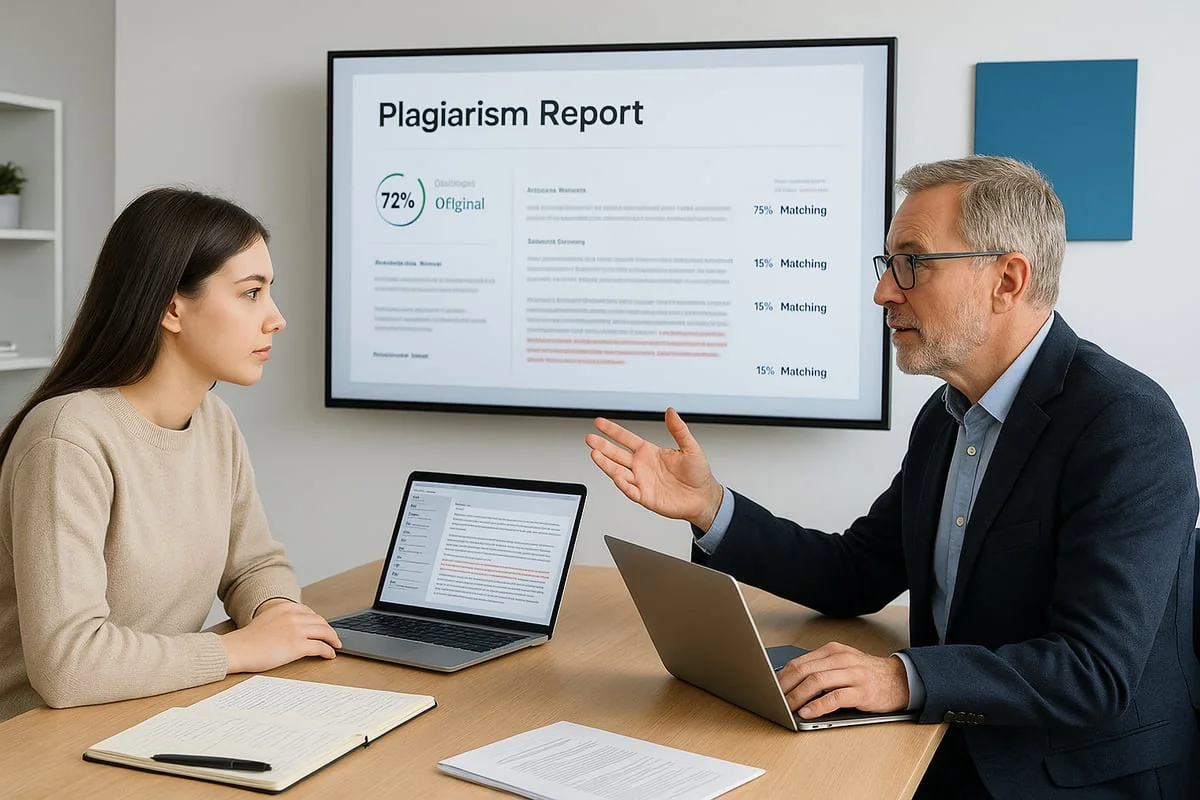
Interpreting the results is a key part of how to check for plagiarism properly. Start by reviewing the overall similarity score. This percentage reflects how much of your content matches sources in the tool’s database.
Pay close attention to matched sources and sentence-level breakdowns. Not all matches are problematic common phrases or technical terms often appear in multiple works. Focus on flagged sections with high similarity and direct overlaps.
For example, a 23% similarity score may be acceptable for a literature review but problematic for an original research paper. Examine each matched section, using the tool’s source links to verify originality and determine if proper citations are present.
Step 5: Take Action Based on Findings
The final step in how to check for plagiarism is responding appropriately to the results. If the tool flags certain sections, you have several options:
Rewrite: Paraphrase the content in your own words.
Cite: Add proper references to any borrowed material.
Remove: Delete sections that are too similar to existing sources.
If you are unsure about a flagged match, consult your institution’s guidelines or seek clarification from a supervisor. In academic or professional settings, documenting your process and steps taken adds transparency and protects your credibility.
For example, after revising a flagged research paper, rerun the plagiarism check to confirm all issues are resolved. This proactive approach ensures your work maintains the highest standards of originality.
Essential Tools and Technologies for Plagiarism Detection
Choosing the right tools is crucial when learning how to check for plagiarism in 2025. With new technologies emerging each year, understanding your options can help you maintain originality and academic integrity. Let us explore the leading platforms, the evolving role of AI, and a standout solution for modern challenges.

Overview of Current Leading Plagiarism Checkers
The landscape of plagiarism detection has expanded rapidly, making it essential to know how to check for plagiarism using the latest tools. Top platforms each offer unique strengths, from database size to AI capabilities.
Here is a quick comparison of popular options:
Tool | Best For | Key Features | Pricing | User Feedback |
|---|---|---|---|---|
Turnitin | Academia | Largest database, AI detection | Subscription | Highly trusted |
Grammarly | Professionals | Writing, grammar, basic plagiarism | Freemium | User friendly |
Copyscape | Bloggers | Web-based, fast URL checks | Pay-per-use | Popular for web use |
Unicheck | Institutions | LMS integration, real-time checks | Subscription | Reliable for schools |
Plagscan | Enterprises | Detailed reports, API access | Subscription | Customizable |
When deciding how to check for plagiarism, consider accuracy, database coverage, and whether you need AI-generated content detection. Free tools are suitable for basic screening, but paid options like Turnitin and Unicheck provide deeper analysis and more comprehensive results.
User feedback highlights the importance of ease of use and clear reporting. Many writers and educators now use multiple tools to ensure nothing is missed. As the threat of sophisticated plagiarism grows, selecting a tool that updates its database regularly is more important than ever.
The Role of AI in Modern Plagiarism Detection
AI has transformed how to check for plagiarism in 2025. Advanced systems now analyze context, sentence structure, and even cross-language similarities, going far beyond simple text matching.
Traditional tools often miss cleverly paraphrased or translated content. AI detection engines use deep learning to spot these patterns, flagging not only copied text but also ideas and structures that have been subtly altered. Sentence-level analysis and contextual matching allow for more accurate results, reducing both false positives and overlooked cases.
A notable case in 2024 revealed that AI-powered checkers identified content missed by older systems, exposing a major academic scandal. According to recent data, 42 percent of institutions now use AI-enhanced tools for plagiarism checks.
For a deeper understanding of these advances, you can explore AI's Impact on Plagiarism Detection, which details how artificial intelligence is changing detection strategies.
As AI continues to evolve, knowing how to check for plagiarism means staying updated on these technological shifts. This ensures your approach remains robust against new forms of academic dishonesty.
Detector AI: Advanced Plagiarism and AI Content Detection
Detector AI brings a unique solution to those seeking how to check for plagiarism with maximum precision. Unlike other platforms, Detector AI distinguishes between human and AI-generated text, offering integrated plagiarism detection alongside advanced source matching.
Key benefits include:
High precision, with sentence-level feedback for every flagged section.
Source tracing, making it easy to verify citations and references.
A user-friendly interface that streamlines the entire checking process.
Trusted by over 1,000 users and boasting a 98 percent satisfaction rate, Detector AI offers unified reporting that saves time for educators, editors, and researchers. Its real-world applications include academic integrity checks and editorial reviews, ensuring that both student essays and professional articles meet originality standards.
In 2025, challenges like AI-assisted and translated plagiarism are on the rise. Detector AI meets these head on, providing tools that adapt to changing tactics and making it easier than ever to document your process. If you are serious about how to check for plagiarism, Detector AI’s innovative features make it a top choice for maintaining originality and trust.
Best Practices for Preventing and Addressing Plagiarism
Maintaining originality is essential, whether you are a student, educator, or professional writer. Preventing and addressing plagiarism requires a proactive approach, clear policies, and effective response strategies. By following these best practices, you can ensure your work stands up to scrutiny and meets the highest standards of integrity.
Proactive Strategies for Individuals
Understanding how to check for plagiarism starts with building strong research habits. Educate yourself on the most current citation standards and referencing styles required in your field. This means knowing when and how to cite direct quotes, paraphrased ideas, and even multimedia sources.
Use plagiarism checkers as drafting tools, not just for your final submission. Running your work through a checker during the writing process helps you identify issues early and make corrections. Organize your notes carefully, and keep a record of every source you consult. Using citation management software such as Zotero or EndNote streamlines this process, allowing you to track references and format citations accurately.
For those who want to trace original sources and verify citations, tools like Source Finder for Research make it easier to uphold academic integrity. By adopting these habits and resources, you reduce the risk of unintentional errors and strengthen your understanding of how to check for plagiarism.
Institutional Policies and Support
Institutions play a pivotal role in shaping a culture of originality. Clear academic integrity policies set the standard for expected behavior and consequences. Regular training sessions for staff and students ensure everyone understands how to check for plagiarism and the importance of ethical research practices.
Integrating plagiarism detection tools within learning management systems simplifies the process for both educators and students. When universities actively monitor and provide feedback, incidents of plagiarism decrease. For example, a recent case study showed that university-wide adoption of detection tools led to an 18% reduction in reported cases.
Ongoing education is vital, and resources like the Plagiarism Detection Blog Category offer up-to-date articles and insights on evolving trends. By fostering awareness and providing accessible tools, institutions make it easier for everyone to learn how to check for plagiarism at every stage of the research process.
Responding to Plagiarism Incidents
When plagiarism is detected, a fair and transparent response is essential. Educators and employers should document findings, communicate clearly with the involved parties, and apply appropriate sanctions according to institutional guidelines. This process helps reinforce the importance of knowing how to check for plagiarism and the consequences of misconduct.
Support should also be available for those accused. A structured appeals process and educational interventions can help individuals understand their mistakes and prevent future incidents. Ethical considerations are paramount, ensuring that each case is handled respectfully and without bias.
By combining proactive strategies, strong policies, and fair responses, individuals and institutions can confidently address plagiarism challenges in 2025.
The Future of Plagiarism Detection: Trends and Predictions for 2025
Plagiarism detection is rapidly evolving as technology transforms the landscape of academic and professional integrity. With new tools and global trends, understanding how to check for plagiarism will become even more crucial in 2025.
Emerging Technologies and AI Advancements
The next wave of plagiarism detection will be driven by advanced AI, semantic analysis, and cross-language capabilities. These technologies redefine how to check for plagiarism, moving beyond simple text matching.
AI-driven tools now analyze writing style, sentence structure, and even intent. They can detect paraphrased and translated content that legacy checkers often miss. For example, deep learning models can flag not just copied text, but also AI-generated or spun content. Blockchain authentication is emerging as a way to verify original work and timestamp authorship, adding another layer of protection.
Here is a comparison of traditional and modern detection methods:
Feature | Traditional Tools | Next-Gen AI Tools |
|---|---|---|
Direct Copy Detection | Strong | Strong |
Paraphrase Detection | Limited | Advanced |
Translation Detection | Weak | Growing capability |
Multimedia Analysis | Absent | In development |
Authorship Verification | Manual | Blockchain-based possible |
Real-time monitoring is also becoming standard in publishing platforms. AI can now catch deep-fake text and even image plagiarism, protecting content across multiple formats. According to a recent study on AI plagiarism detection tools, keystroke dynamics and behavioral analysis are helping distinguish between human and AI-generated writing, making how to check for plagiarism more effective than ever.
Globalization and Multilingual Challenges
The globalization of content creation introduces new hurdles for those learning how to check for plagiarism. Cross-language plagiarism is on the rise, with sophisticated translation tools enabling seamless copying across languages.
Detection platforms must now support dozens of languages and recognize translated plagiarism. This is challenging because idiomatic expressions and cultural references do not always translate directly. A 2024 report from Plagiarism Today found a 31% increase in non-English plagiarism cases, underscoring the need for robust, multi-language support.
Key multilingual challenges include:
Identifying paraphrased or translated content that evades basic checks.
Handling documents that combine multiple languages or media formats.
Ensuring databases include sources in various languages.
As a result, how to check for plagiarism in 2025 must involve tools capable of semantic and contextual analysis across languages, not just surface-level matching.
The Evolving Ethics of Content Creation
As AI-generated writing becomes more common, the ethical landscape of how to check for plagiarism is shifting. The line between inspiration and imitation can blur, especially when writers use AI tools for drafting or paraphrasing.
Academic and professional communities are debating the acceptability of AI-assisted content. Some argue that using AI without disclosure constitutes misconduct, while others see it as a new form of collaboration. Policy changes are underway, with journals and universities implementing stricter guidelines to define originality and ethical use of technology.
Institutions are also focusing on education, helping students and professionals understand proper attribution and the risks of AI misuse. A recent study on students' perceptions of AI-generated plagiarism reveals growing concern about fairness and accountability in a world where machines can generate convincing prose.
Looking ahead, how to check for plagiarism will require not just advanced technology, but also clear policies, ongoing training, and a deeper understanding of academic honesty. By 2025, expect tighter regulations, smarter detection systems, and a heightened awareness of originality in all forms of content.