AI Detection
January 5, 2026
The Essential Guide to Using AI Detection for Hiring and Recruitment
The landscape of hiring is evolving rapidly in 2026, driven by major advances in artificial intelligence. Recruiters now face a growing challenge: how to distinguish genuine applicants from those submitting AI-generated resumes, cover letters, or interview responses.
To ensure fair, efficient, and authentic hiring, organizations are turning to powerful new tools. Using ai detection for hiring and recruitment is becoming a key strategy for maintaining trust and integrity in the process.
This essential guide will demystify AI detection in recruitment, outline best practices, and provide actionable steps for integrating detection into your workflow. You will discover the key benefits, limitations, legal and ethical considerations, top tools, and future trends shaping recruitment in the age of AI.
What is AI-Generated Content in Hiring?
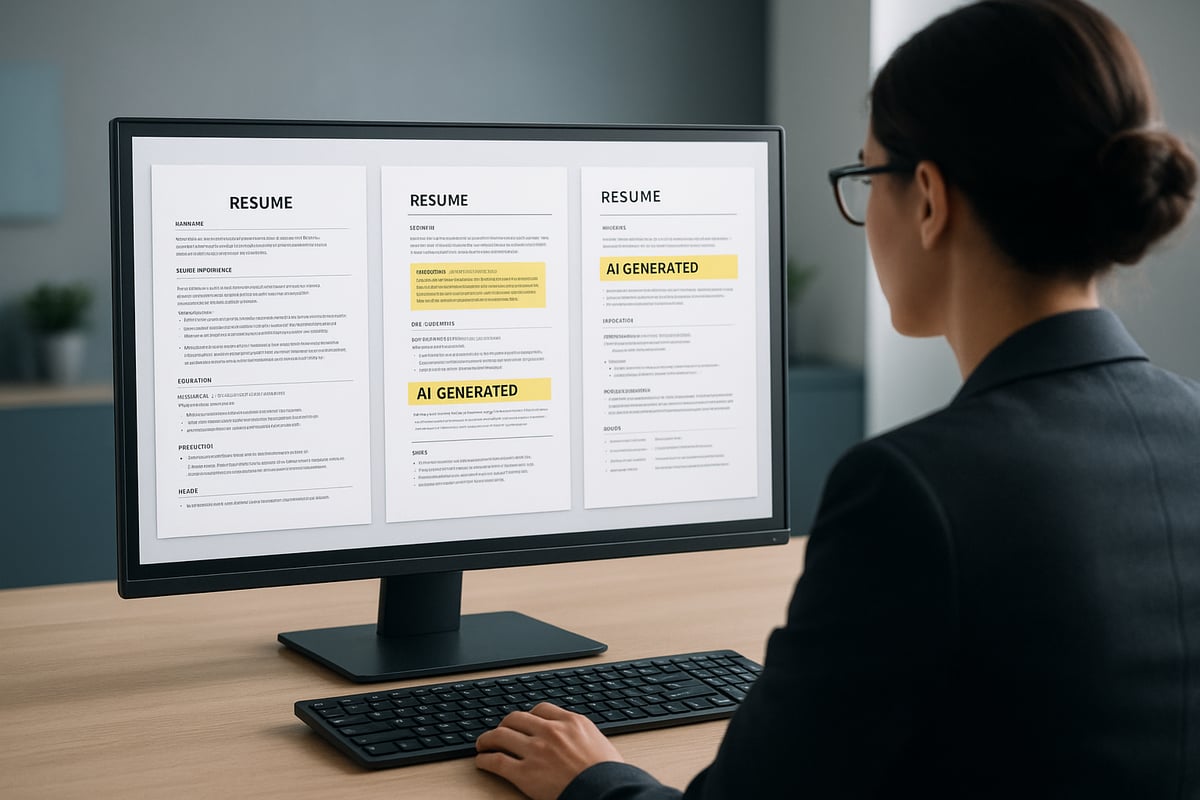
AI-generated content in recruitment refers to resumes, cover letters, and even interview responses created with the help of artificial intelligence tools. These tools, such as ChatGPT and other advanced writing assistants, can generate professional, tailored documents in seconds.
Recent data suggests that up to 35% of job seekers now use AI tools to craft their application materials. In fact, the Prevalence of AI-Generated Applications is creating new challenges for recruiters attempting to verify candidate authenticity.
Common types of AI-generated content in hiring include:
Document Type | AI Involvement Example |
|---|---|
Resumes | Auto-filled skills and achievements |
Cover Letters | Personalized, template-based letters |
Interview Responses | Automated Q&A, video interview scripts |
Skills Assessments | AI-generated answers to tests |
AI-generated content can closely mimic human writing styles, making detection difficult. As a result, using ai detection for hiring and recruitment is becoming essential to ensure candidate originality and integrity.
Why Candidates Use AI Tools
Candidates turn to AI-driven tools for several reasons:
Speeding up the application process
Personalizing documents for different roles
Overcoming language or writing barriers
Increasing their chances of landing interviews
Consider a job seeker applying to multiple companies in a week. By leveraging AI, they can instantly tailor their resume and cover letter to match each job description, saving hours and increasing perceived fit.
While this can improve the candidate experience, it also increases recruiter workload. More applications arrive, and many are polished to a degree that makes it hard to distinguish genuine skills from AI enhancements. This is where using ai detection for hiring and recruitment becomes critical for maintaining a balanced process.
Risks and Challenges for Employers
The rise of AI-generated content introduces several risks for employers. The most pressing include misrepresentation of skills, difficulties in verifying candidate originality, and an increased chance of hiring someone unqualified for the role.
AI-generated resumes can exaggerate or fabricate achievements, leading to skills mismatches. As AI tools grow more sophisticated, the line between authentic and artificial content blurs. Recruiters must adopt strategies for using ai detection for hiring and recruitment to safeguard decision-making.
Employers also face challenges in keeping up with evolving AI capabilities. Detection methods that worked last year may not be effective against the latest AI-generated materials. Staying updated and investing in reliable detection tools is now a key part of recruitment strategy.
Impact on Recruitment Outcomes
The impact of AI-generated content is already visible in hiring results. According to recent surveys, 60% of recruiters admit they struggle to identify AI-generated applications. This increases the risk of onboarding candidates who may not possess the skills their polished documents suggest.
There are documented examples of failed hires where undetected AI-generated materials contributed to poor job performance and early turnover. These incidents highlight why using ai detection for hiring and recruitment is more than a trend, it is becoming a standard for protecting organizational quality.
As AI tools continue to evolve, recruiters must stay vigilant and proactive. By understanding the landscape and integrating robust detection measures, organizations can sustain hiring integrity and build stronger teams.
The Benefits and Limitations of AI Detection in Hiring
The landscape of using ai detection for hiring and recruitment is evolving rapidly. As organizations seek to ensure authenticity in candidate submissions, AI detection tools have become both a powerful ally and a source of new challenges. Understanding the advantages and limitations of these tools is essential for building a fair, efficient, and trustworthy recruitment process.
Advantages of AI Detection Tools
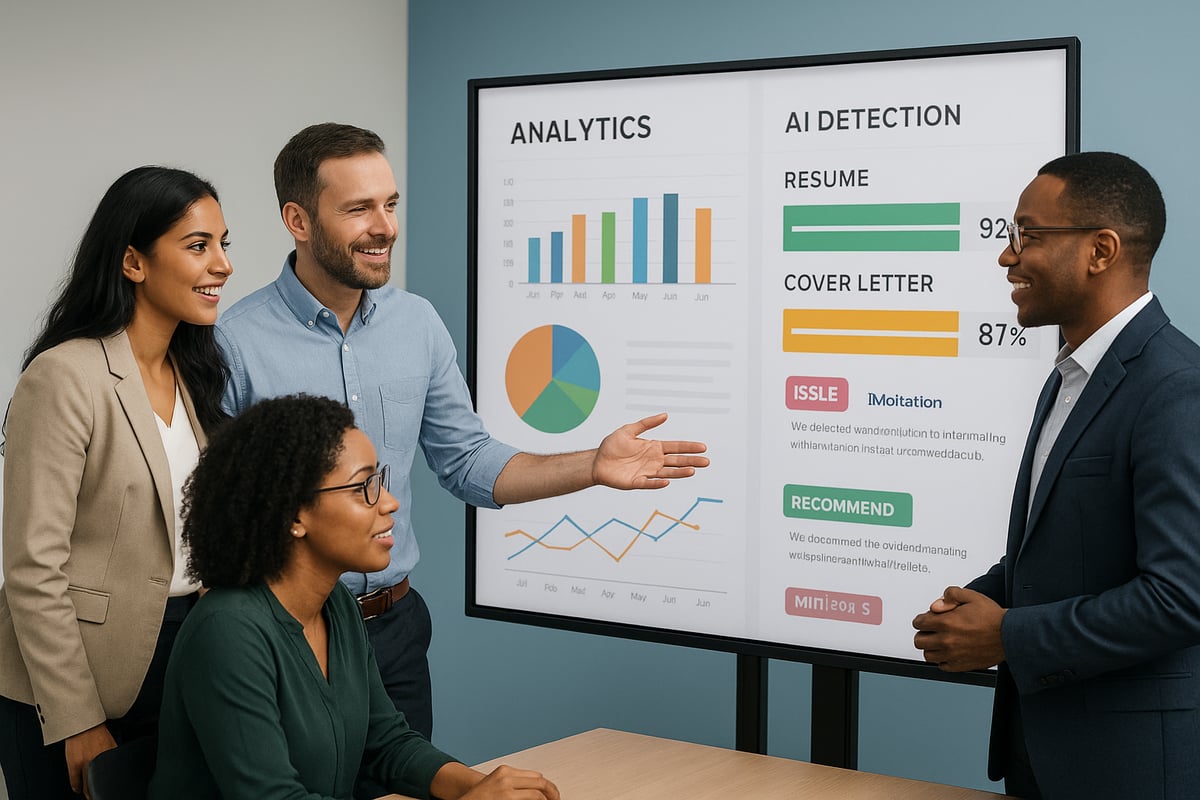
One of the primary benefits of using ai detection for hiring and recruitment is the assurance of authenticity and originality in candidate materials. These tools can quickly scan resumes, cover letters, and other documents to identify potential signs of AI-generated content.
Organizations adopting these solutions report significant efficiency gains. Automated screening reduces manual review time, allowing recruiters to focus on high-value interactions. AI detection helps maintain fair competition by ensuring all candidates are evaluated on a level playing field.
Compliance is another major advantage. Employers can demonstrate diligence in adhering to internal policies and regulatory standards. According to LinkedIn Talent Solutions, organizations leveraging AI detection have seen a 25% reduction in fraudulent applications.
For a deeper dive into how AI is streamlining hiring and improving decision-making, you can explore AI's Impact on Recruitment Efficiency.
Limitations and Potential Pitfalls
Despite their promise, there are notable drawbacks to using ai detection for hiring and recruitment. False positives and negatives remain a real concern. Genuine candidates might be mistakenly flagged as using AI tools, while some sophisticated AI-generated content can evade detection.
Over-reliance on automation is risky. Human oversight is essential to interpret results and handle exceptions. Privacy and data security concerns also come into play, as these tools process sensitive applicant information.
Another challenge is detecting hybrid content, where candidates combine their writing with AI assistance. Even the best tools may struggle to differentiate nuanced human input from advanced AI output, potentially impacting the fairness of the hiring process.
Balancing Technology and Human Judgment
Striking the right balance when using ai detection for hiring and recruitment is crucial. AI detection should serve as a tool to support, not replace, experienced recruiters. Human review of flagged applications ensures that qualified candidates are not unfairly excluded.
Effective strategies include developing clear protocols for handling flagged cases and providing ongoing training for recruitment teams. Recruiters must be equipped to interpret AI detection results and make informed decisions.
Role-playing scenarios can help teams practice responding to ambiguous cases. By blending technology with human insight, organizations can maximize the strengths of both while minimizing risks. Using ai detection for hiring and recruitment in this balanced way leads to more reliable outcomes.
Cost and Resource Considerations
Adopting AI detection tools involves upfront and ongoing expenses. Costs vary depending on the features, integration capabilities, and scale of deployment. However, the return on investment can be substantial, especially for organizations facing high volumes of applications.
A simple cost-benefit analysis can clarify the value proposition:
Factor | Manual Screening | AI Detection |
|---|---|---|
Time per Application | 10 mins | 2 mins |
Fraudulent Applications Filtered | Low | High |
Upfront Cost | Minimal | Moderate |
Long-term Savings | Low | High |
Ultimately, using ai detection for hiring and recruitment can help organizations save time and resources, provided they balance costs with expected benefits.
Step-by-Step Guide to Implementing AI Detection in Recruitment
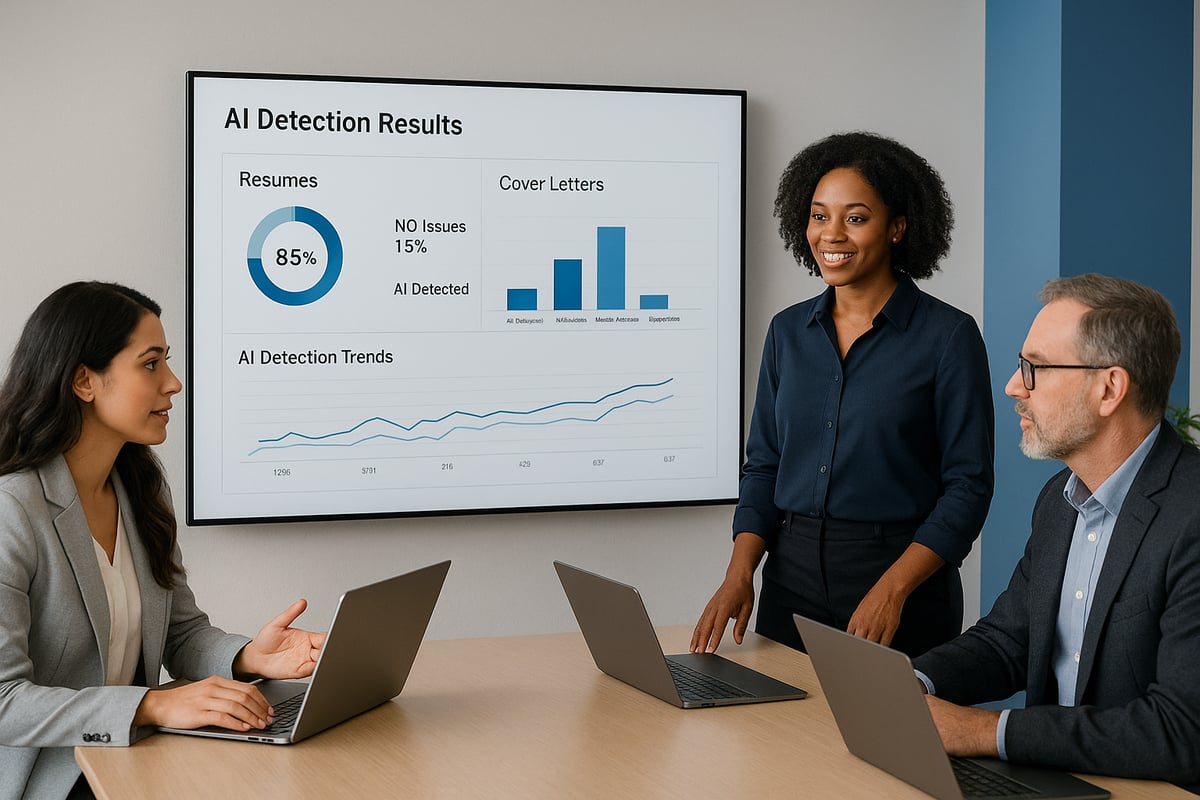
Integrating AI detection into recruitment processes is now essential for staying ahead in the evolving hiring landscape. This step-by-step guide will help you embed using ai detection for hiring and recruitment into your workflow, ensuring efficiency, fairness, and authenticity at every stage.
Step 1: Assess Your Current Recruitment Workflow
Start by mapping your existing recruitment process from job posting to onboarding. Identify each touchpoint where candidate materials are reviewed, such as resume screening, initial interviews, and skill assessments. This clarity helps pinpoint where using ai detection for hiring and recruitment can make the most impact.
Look for common pain points. Are recruiters noticing unusually similar resumes or cover letters? Is there a spike in generic, overly polished application materials? Research shows that AI-generated resumes are increasingly common and can even boost interview rates, as highlighted in AI-Generated Resumes and Interview Success Rates.
Document these challenges. It is vital to understand where AI-generated content could influence decisions. This groundwork lays the foundation for selecting and integrating the right detection tools.
Step 2: Select the Right AI Detection Tool
Choosing the best solution for using ai detection for hiring and recruitment involves careful evaluation. Focus on tools that offer high accuracy, seamless integration with your ATS or HR software, robust reporting, and strong data privacy measures.
Here’s a quick comparison table of features to prioritize:
Feature | Why It Matters |
|---|---|
Accuracy | Reduces false positives |
Integration | Streamlines workflow |
Reporting | Provides actionable insights |
Data Security | Protects applicant data |
When evaluating vendors, consider these questions:
Does the tool support all document types you receive?
Can it scale with your recruitment volume?
What compliance certifications does the vendor hold?
Are there positive user reviews and case studies?
A well-chosen tool aligns with your workflow and compliance needs, ensuring a smooth transition.
Step 3: Integrate AI Detection into Your Application Process
Once you have selected a tool, focus on integrating it seamlessly into your existing systems. Embedding using ai detection for hiring and recruitment into your applicant tracking system (ATS) or HR software minimizes disruption and maximizes efficiency.
Set up automated scans for all submitted documents. This enables real-time flagging of suspicious resumes or cover letters for further review. Ensure the process remains candidate-friendly, avoiding unnecessary hurdles or delays.
Example: Some organizations automatically flag applications with high AI-generated content scores, prompting human review before proceeding. This approach balances automation with oversight, maintaining both speed and fairness.
Step 4: Train Your Recruitment Team
Training is critical for successful adoption of using ai detection for hiring and recruitment. Recruiters need to interpret detection results accurately and respond appropriately to flagged content.
Develop clear protocols for handling flagged applications, such as:
Reviewing the flagged material manually.
Contacting candidates for clarification if needed.
Documenting decisions for transparency.
Role-playing scenarios can help recruiters practice responding to various detection outcomes. Ongoing training ensures your team stays updated as tools and tactics evolve.
Step 5: Establish Transparent Candidate Communication
Informing candidates about using ai detection for hiring and recruitment builds trust and ensures compliance with privacy laws. Clearly state in your job postings and application portals that AI detection tools are part of your screening process.
Sample disclosure statement: “We use AI detection technology to ensure the authenticity of application materials. All candidate data is handled securely and in compliance with privacy regulations.”
Address privacy and consent requirements upfront. Make it easy for candidates to ask questions or request more information about your process.
Step 6: Monitor, Evaluate, and Optimize
Continuous improvement is key to maximizing the value of using ai detection for hiring and recruitment. Set measurable KPIs, such as the reduction in fraudulent applications or improved time-to-hire, to track effectiveness.
Regularly review cases flagged by the tool. Adjust detection thresholds as needed to minimize false positives and negatives. Gather feedback from both recruiters and candidates to refine your processes.
Stay informed about new developments in AI detection to future-proof your recruitment strategy. This proactive approach ensures your hiring process remains fair, efficient, and trustworthy.
Legal, Ethical, and Privacy Considerations in AI Detection
Navigating the legal, ethical, and privacy dimensions of using ai detection for hiring and recruitment in 2026 is essential for organizations aiming to build trust and stay compliant. As AI continues to reshape recruitment practices, employers must address evolving regulations, uphold fairness, and protect candidate data at every step.
Regulatory Landscape in 2026
The regulatory environment for using ai detection for hiring and recruitment is rapidly evolving. In 2026, global frameworks like GDPR and CCPA continue to set standards for applicant data privacy, while new AI-specific regulations are emerging. These rules require employers to be transparent about automated decision-making and ensure candidates’ rights are protected.
Organizations must clearly inform applicants when AI tools are involved in screening or selection. Compliance means documenting how detection tools impact decisions and providing avenues for candidates to request human review. With the projected rise in AI adoption, AI Adoption in Resume Screening by 2025 highlights the necessity for both employers and candidates to understand the implications of AI-driven hiring.
To stay compliant, companies should:
Regularly review their AI detection processes.
Update privacy notices and consent forms.
Train staff on regulatory requirements.
Staying proactive helps organizations avoid legal pitfalls and maintain candidate trust.
Ethical Implications for Employers
Ethical considerations are central to using ai detection for hiring and recruitment. Employers must ensure that detection algorithms are fair, transparent, and free from bias. Candidates deserve to know when AI is used in their evaluation, and organizations should be upfront about the process.
Handling appeals is another ethical responsibility. If a candidate is flagged by an AI tool, employers should offer a clear path for review and resolution. This could mean a manual assessment or a second opinion from a human recruiter.
Best practices include:
Disclosing AI use in job postings and application portals.
Documenting how flagged cases are handled.
Providing candidates with feedback and appeal options.
By prioritizing transparency and fairness, employers reinforce the legitimacy of their recruitment process.
Data Privacy and Security Best Practices
Protecting applicant information is a core requirement when using ai detection for hiring and recruitment. Organizations must implement robust data privacy and security protocols to safeguard personal and sensitive data collected during recruitment.
Key best practices include:
Storing applicant data in secure, encrypted systems.
Limiting access to only authorized HR personnel.
Anonymizing candidate information wherever possible.
Regular audits and compliance checks help identify vulnerabilities and ensure ongoing adherence to privacy standards. By adopting these measures, companies reduce the risk of data breaches and enhance candidate confidence in their hiring process.
Avoiding Discrimination and Bias
Preventing discrimination and bias is essential when using ai detection for hiring and recruitment. AI detection models must be regularly audited to identify and correct any unintended biases that could unfairly impact certain groups.
Involving diverse stakeholders in tool selection and implementation helps create a more balanced, equitable process. Employers should use statistical analysis to monitor outcomes and ensure fairness. According to recent data, 18% of companies have faced discrimination claims related to AI hiring tools, underlining the importance of ongoing vigilance.
To mitigate these risks:
Conduct bias audits on a scheduled basis.
Gather input from a variety of backgrounds during tool evaluation.
Adjust detection thresholds based on audit results.
A commitment to equity not only safeguards against legal issues but also builds a culture of inclusion.
Leading AI Detection Tools for Recruitment in 2026
The landscape of using ai detection for hiring and recruitment is evolving rapidly in 2026. Organizations are seeking robust solutions to ensure fairness, authenticity, and efficiency throughout the recruitment process. Selecting the right detection tools is crucial for preventing fraudulent applications and maintaining trust.
Key Features to Evaluate
When using ai detection for hiring and recruitment, it is essential to evaluate several core features. Accuracy is at the top of the list, as reliable results foster confidence in screening processes. Seamless integration with existing HR software simplifies adoption and minimizes workflow disruption.
Key features include:
Accuracy: High detection rates for AI-generated content.
Integration: Compatibility with applicant tracking and HR management systems.
User Interface: Intuitive dashboards for quick review and action.
Document Support: Ability to analyze various file formats and languages.
Reporting: Detailed analytics and customizable reports.
Data Security: Compliance with privacy regulations and secure data handling.
Here is a summary table for comparison:
Feature | Importance | Notes |
|---|---|---|
Accuracy | Critical | Reduces false positives |
Integration | High | Works with existing platforms |
UI/UX | Important | Streamlines recruiter tasks |
Document Support | Essential | Handles resumes, letters, etc. |
Reporting | Valuable | Offers actionable insights |
Data Security | Mandatory | Ensures compliance |
Evaluating these elements helps organizations maximize the benefits of using ai detection for hiring and recruitment.
Detector AI: Advanced AI Content Detection for Recruitment
Detector AI stands out as a specialized solution for using ai detection for hiring and recruitment. It is designed to identify AI-generated resumes, cover letters, and other application materials with remarkable precision.
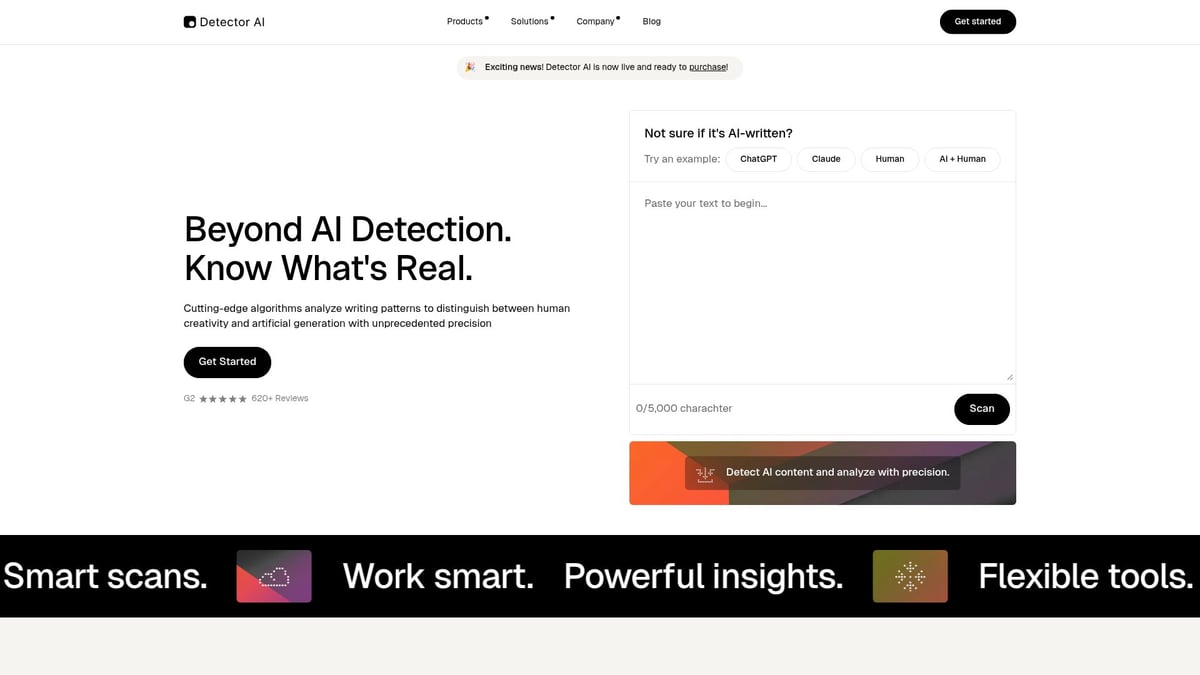
This platform offers sentence-level analysis, providing probability scores to verify the authenticity of candidate submissions. Integrated plagiarism detection and source matching further enhance the reliability of assessments. Detector AI's user-friendly interface allows HR teams to efficiently scan, review, and manage flagged content, streamlining the screening process.
Trusted by over 1,000 users, Detector AI maintains a 98% satisfaction rate and boasts more than 620 positive reviews. Its support for multiple file formats and languages makes it suitable for diverse recruitment needs. Additionally, it aligns with data privacy and transparency requirements, helping organizations stay compliant. Many HR departments report significant reductions in fraudulent submissions when using ai detection for hiring and recruitment with Detector AI.
Other Noteworthy Tools and Solutions
Beyond Detector AI, several reputable platforms are available for using ai detection for hiring and recruitment. These solutions offer unique strengths that cater to different organizational needs and workflows.
Some tools excel at integrating with large applicant tracking systems, while others focus on advanced language support for multinational recruitment. Key considerations include ease of implementation, scalability, and the ability to handle hybrid AI-human content. For global companies, multilingual support and local compliance are critical factors.
When comparing tools, assess their benchmarking results, customer support, and adaptability to evolving AI content trends. Organizations should regularly review these platforms to ensure they continue to meet the demands of using ai detection for hiring and recruitment in a changing landscape.
Future Trends and Innovations in AI Detection for Hiring
The landscape of using ai detection for hiring and recruitment is changing rapidly. As technology evolves, both recruiters and candidates must adapt to new tools and expectations. Staying ahead means understanding the trends shaping tomorrow’s recruitment practices.
Advancements in AI-Generated Content and Detection
AI-generated content is becoming more sophisticated, making it harder to distinguish between human and machine-written applications. Using ai detection for hiring and recruitment now requires advanced tools that analyze context, writing style, and even subtle behavioral cues.
New detection technologies are emerging, including:
Context-aware language models that spot nuanced differences
Behavioral analysis for video interviews
Multimedia content verification, such as checking for deepfakes
For example, some platforms can now analyze video responses to identify AI-generated speech patterns. As generative AI advances, detection must keep pace to ensure authentic hiring decisions.
Integration with End-to-End Recruitment Platforms
The future of using ai detection for hiring and recruitment lies in seamless integration. Detection tools are being built directly into applicant tracking systems, onboarding workflows, and background check solutions.
Unified recruitment intelligence platforms offer several benefits:
Centralized data and streamlined workflows
Consistent candidate evaluation
Reduced manual intervention
This integration ensures that detection does not disrupt the candidate experience. Instead, it supports recruiters in making informed, timely decisions while maintaining process efficiency.
The Role of Human-AI Collaboration
As organizations expand their use of ai detection for hiring and recruitment, the role of human recruiters is shifting. Rather than replacing recruiters, AI tools empower them to focus on strategic oversight.
Key changes include:
Recruiters interpreting flagged results instead of manual screening
Upskilling teams to understand AI outputs
Collaborating with technology for fair assessments
Human judgment remains essential. The most effective hiring processes combine AI-driven insights with recruiter expertise, ensuring balanced and objective outcomes.
Preparing for Regulatory Changes
The regulatory landscape for using ai detection for hiring and recruitment is evolving. Governments are introducing new guidelines to address transparency, fairness, and privacy.
To stay compliant, organizations should:
Monitor updates in AI-specific hiring regulations
Document all AI-driven decisions
Provide candidates with clear information about AI use
Anticipating these changes enables companies to future-proof their processes and build long-term trust with applicants.
Building a Culture of Authenticity and Trust
Fostering a culture of authenticity is vital as the adoption of ai detection grows. Recruiters should promote transparency by clearly communicating the use of AI tools.
Encouraging honest applications and fair competition benefits both employers and candidates. Over time, using ai detection for hiring and recruitment will help establish a standard of content integrity, supporting better hiring outcomes and stronger organizational reputations.