Imagine submitting your latest essay and pausing to wonder if your college can tell whether AI played a role in your writing. The question of what ai detector do colleges use has become central for students navigating 2025’s digital academic landscape.
This guide unpacks the tools and technologies shaping academic integrity in higher education. Our goal is to clarify how AI content detection works and help you avoid unintended academic pitfalls.
You will gain insights to confidently approach your assignments, understanding both your rights and responsibilities. By reading on, you’ll learn why colleges use AI detectors, which tools are most common, how they operate, their accuracy, your rights, and practical tips for staying compliant.
🧭 The Most Common AI Detectors Used by Colleges in 2025
If you’re looking for a quick answer to which AI detectors colleges rely on the most, here’s the shortlist.
Turnitin: The Leading AI Detector in Higher Education
GPTZero: A Popular Choice Among Smaller Colleges
Copyleaks: Multi-Language Detection for Global Institutions
Detector AI: A Comprehensive Academic Integrity Solution
Institutional Custom Tools: In-House Detection Systems
Why Colleges Use AI Detectors in 2025
The question of what ai detector do colleges use is more relevant than ever in 2025. The explosion of AI writing tools like ChatGPT, Gemini, and Claude has transformed how students complete assignments. With these technologies now easily accessible, colleges have seen a significant rise in AI-assisted submissions. This shift has forced institutions to reconsider traditional measures of academic integrity.
Colleges are now facing urgent concerns about originality, plagiarism, and the true authorship of student work. As digital learning environments become the norm, maintaining trust in academic credentials is critical. The answer to what ai detector do colleges use is rooted in their need to protect the value of their degrees and ensure fair assessment for all students.
Institutional pressures also drive the adoption of AI detectors. Accreditation bodies, employers, and the public expect colleges to uphold rigorous academic standards. According to recent education technology surveys, over 70% of colleges have increased their use of AI detection tools since 2023. This data shows a clear response to the growing influence of generative AI on higher education.
Faculty members are adapting to this technological wave by balancing innovation with fairness. Many instructors want to use technology to detect AI-generated work without penalizing students unfairly. As a result, universities have updated their academic integrity policies to specifically address AI-generated content. These updates clarify what ai detector do colleges use and set clear expectations for students.
AI detectors have become especially important in hybrid and remote learning settings. Without face-to-face supervision, colleges rely on digital tools to monitor submissions. This ensures that students are evaluated on their own merit, regardless of where or how they study. The integration of AI detection supports consistent standards across in-person and online courses.
Student perspectives are also shaping the conversation. Many students experience anxiety about being falsely flagged by AI detectors, while others see these tools as a necessary adaptation to new technology. Debates about fairness and transparency are ongoing. To better understand the effectiveness and challenges of these tools, educators and students alike can consult resources like AI Detection Tools in Higher Education.
In summary, the answer to what ai detector do colleges use is shaped by a mix of technological advancement, institutional responsibility, and the evolving needs of students and faculty. Colleges are committed to upholding academic integrity in a rapidly changing digital landscape, and AI detectors are now a central part of that effort.
The Most Common AI Detectors Used by Colleges in 2025
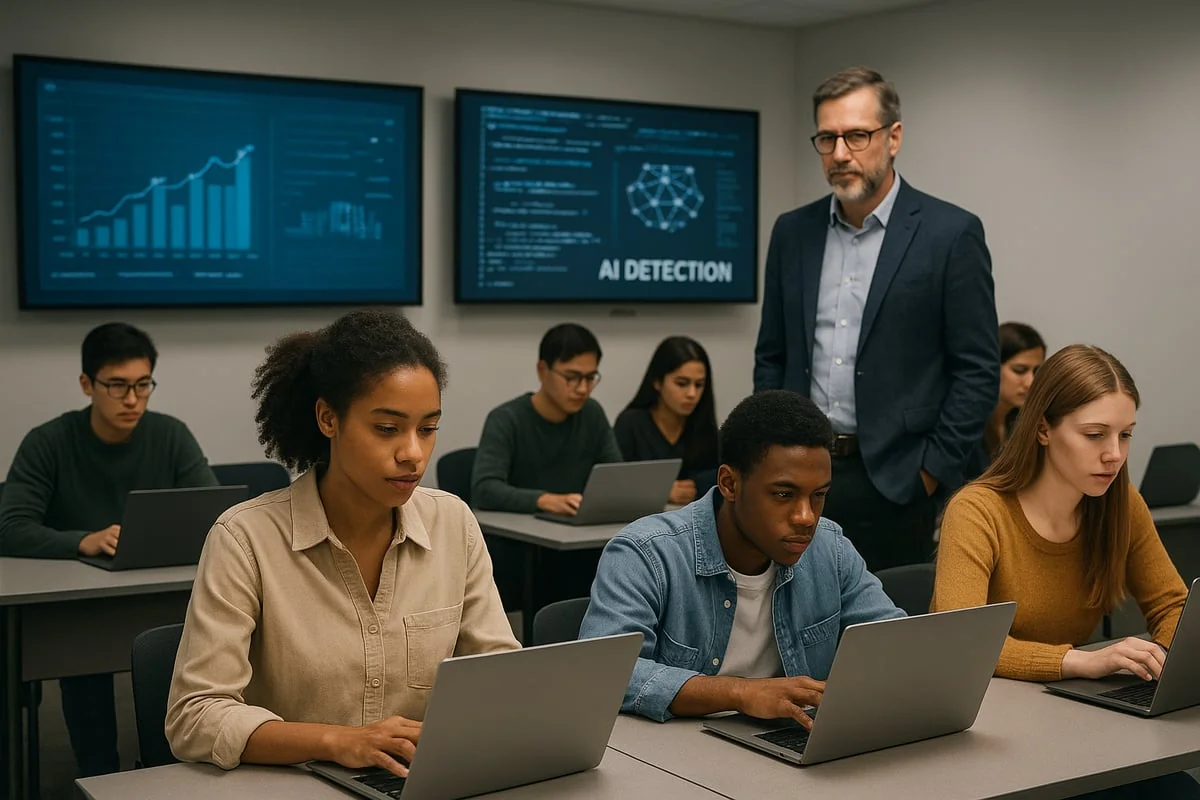
Colleges in 2025 rely on a range of advanced tools to determine what ai detector do colleges use for student submissions. As AI-generated writing becomes more sophisticated, institutions need robust solutions to maintain academic integrity. Understanding what ai detector do colleges use is essential for students navigating new expectations.
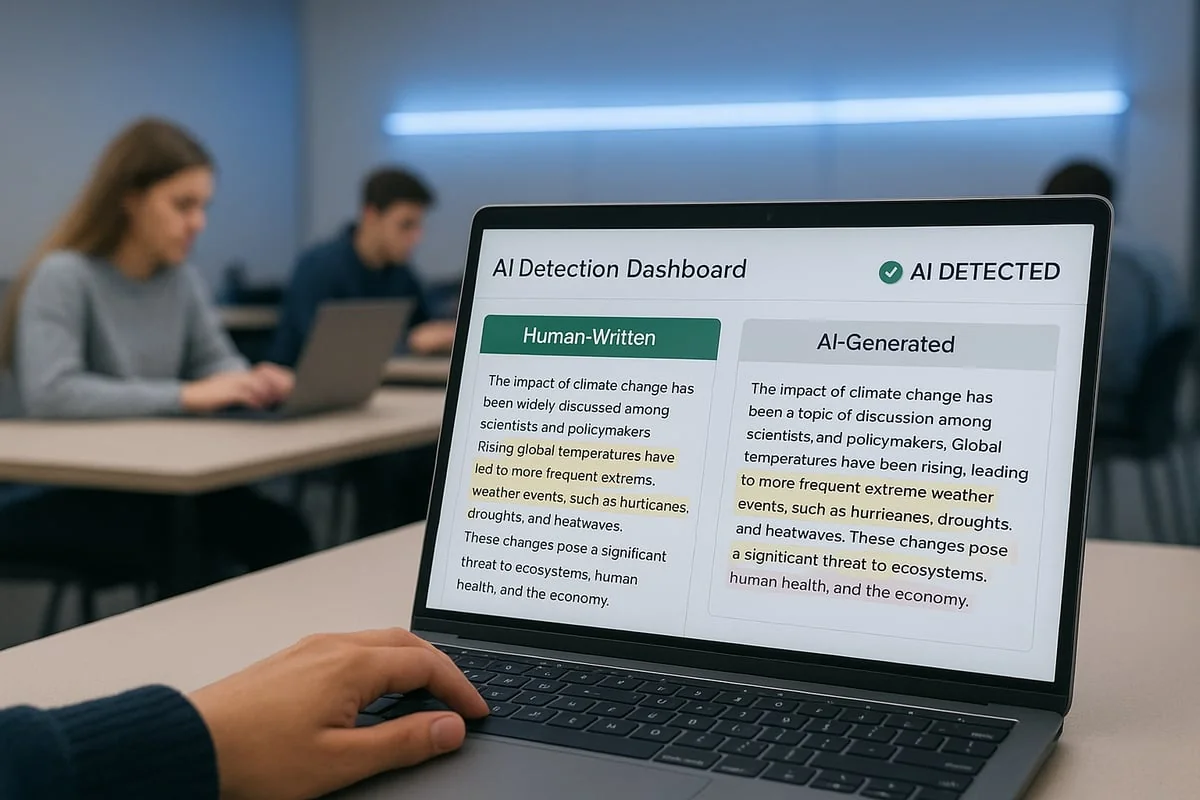
In 2025, the answer to what ai detector do colleges use often depends on institutional needs and resources. The most popular platforms combine AI detection and plagiarism analysis, streamlining the review process for faculty. Factors like detection accuracy, seamless integration with learning management systems, cost, and vendor support all influence college decisions.
A key trend is the shift toward comprehensive, multi-featured platforms. These tools not only flag AI-generated text but also cross-check for traditional plagiarism. Many colleges now prioritize solutions that offer transparent reporting and actionable feedback.
Detector | AI Model Coverage | Plagiarism Check | Integration |
|---|---|---|---|
Turnitin | High | Yes | Extensive |
GPTZero | Moderate | No | Moderate |
Copyleaks | High | Yes | Global |
Staying informed about what ai detector do colleges use helps students adapt and uphold academic integrity.
Turnitin AI Detection
When discussing what ai detector do colleges use, Turnitin is the most recognized name in higher education. Its AI writing detection module is widely adopted because it integrates directly with major learning management systems, making it convenient for both faculty and students.
Turnitin's advanced algorithms analyze sentence structure, vocabulary, and writing patterns to distinguish between human and AI-generated text. The platform provides detailed similarity and AI detection reports, supporting instructors in fair assessment. In 2025, Turnitin continues to refine its detection accuracy, with reported false positive rates below industry averages.
A notable example is Turnitin's official partnership with university systems across North America and Europe, providing consistent standards for academic work. For more details on its capabilities, see Turnitin's AI Writing Detection.
As the conversation around what ai detector do colleges use evolves, Turnitin remains a cornerstone of academic integrity efforts.
GPTZero and Similar Tools
Among smaller colleges and independent institutions, GPTZero frequently answers the question of what ai detector do colleges use. GPTZero is designed to identify AI-generated content by analyzing linguistic complexity and burstiness. The tool is valued for its simplicity and quick turnaround times.
In 2025, GPTZero has introduced updates to better detect content from newer AI models, though its primary focus remains on English-language essays. While its detection rates are improving, GPTZero has known limitations, such as struggling with heavily edited or paraphrased AI text.
Despite these challenges, many colleges choose GPTZero for its cost-effectiveness and ease of use. Understanding what ai detector do colleges use at your institution can help you prepare for these differences in detection capabilities.
Copyleaks and Other Specialized Platforms
For institutions with diverse student populations, Copyleaks answers what ai detector do colleges use by offering robust multi-language AI detection. The platform excels in identifying both AI-generated and plagiarized content, making it popular among international universities.
Copyleaks uses advanced algorithms to detect nuanced writing patterns and supports a broad range of languages. This sets it apart from legacy plagiarism checkers that lack AI detection capabilities. In 2025, Copyleaks continues to expand its feature set, making it a strong choice for colleges with global reach.
When considering what ai detector do colleges use, Copyleaks is often selected for its flexibility and comprehensive language support.
Detector AI: A Comprehensive Solution for Academic Integrity
Detector AI stands out among what ai detector do colleges use because of its comprehensive capabilities. The platform covers multiple AI models, including ChatGPT, Gemini, and Claude. It performs sentence-level analysis, offering detailed feedback on each section of a student's work.
Key features include:
Integrated plagiarism and source checking
High detection accuracy and minimal false positives
Actionable feedback for students and educators
User-friendly interface and real-time results
Trusted by over 1,000 users and backed by 620+ reviews, Detector AI is designed to uphold academic integrity. Its transparency and support empower students to check their own work before submission, reducing anxiety and promoting ethical learning.
Institutional Custom Solutions
Some colleges look beyond commercial platforms when deciding what ai detector do colleges use. Instead, they develop or customize their own AI detection software. These proprietary solutions are tailored to meet specific academic standards, privacy requirements, and unique campus needs.
A leading example is MIT's proprietary detection tool pilot program, which focuses on ensuring high accuracy and data privacy. Custom solutions provide colleges with more control over detection thresholds and reporting, allowing for greater transparency.
For students, knowing what ai detector do colleges use including custom or in-house systems can help in understanding institutional expectations and preparing original work.
How AI Detectors Work: Technology and Limitations
Understanding what ai detector do colleges use requires a closer look at the technology powering these systems. Colleges rely on a mix of advanced analytics and machine learning to identify AI-generated writing. Each detection method has strengths and limitations, impacting both accuracy and student experience.
Core Detection Methods
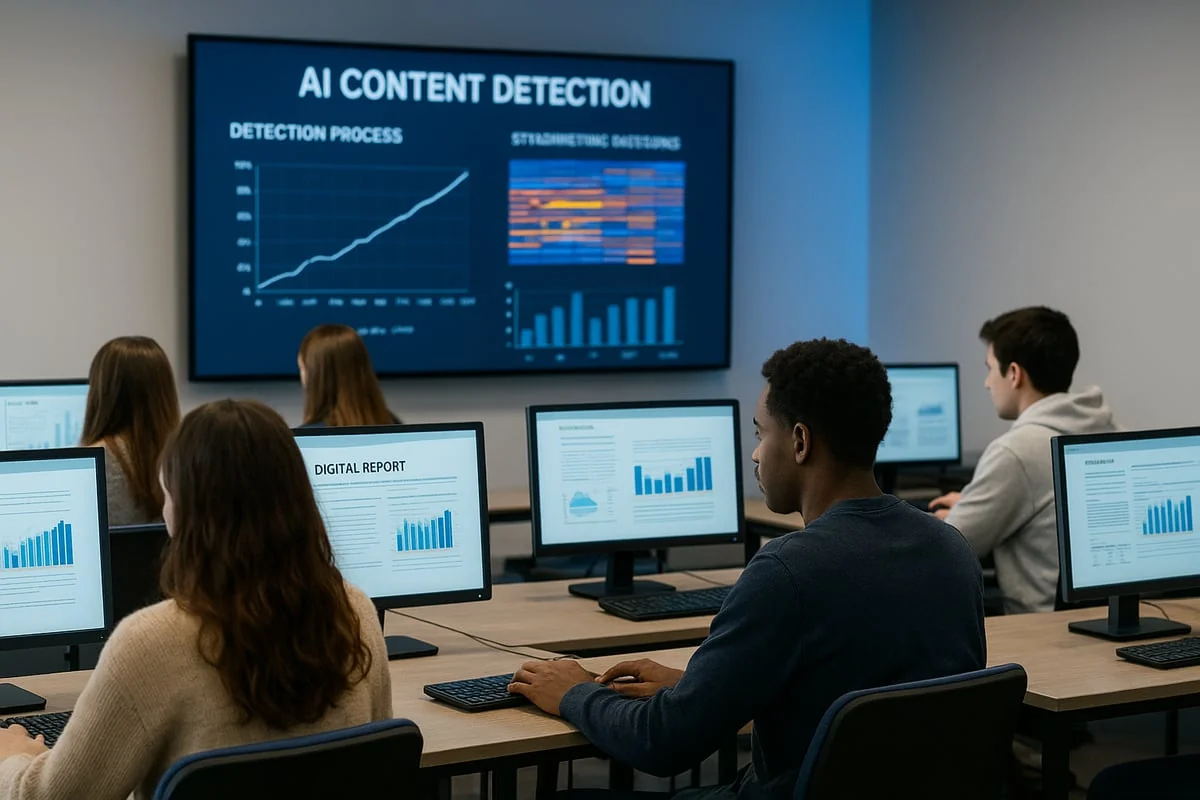
At the heart of what ai detector do colleges use are several core techniques. The most common is stylometric analysis. This method examines writing patterns, such as sentence length, word choice, and punctuation. By comparing these patterns to large datasets, detectors can spot the subtle differences between human and AI writing.
Another key approach is machine learning. These models are trained on thousands of human and AI-generated texts. They learn to recognize the statistical fingerprints left by AI tools. When a student submits work, the detector evaluates it against these learned patterns.
Most platforms also connect to plagiarism databases. This integration helps colleges catch both copied and AI-written content in a single scan. The combination makes what ai detector do colleges use more robust and versatile.
For a deeper understanding of stylometric analysis in action, students can explore AI vocabulary and language analysis to see how these tools break down writing at a granular level.
Detection of Popular AI Models
What ai detector do colleges use must keep pace with rapidly evolving AI models. Detectors are regularly updated to recognize outputs from the newest systems, like ChatGPT-4, Gemini, and Claude 3.
However, students who paraphrase or heavily edit AI-generated content present new challenges. Detectors may struggle to distinguish between sophisticated human editing and advanced AI writing. Colleges are investing in tools that adapt quickly, but gaps in detection still exist.
Accuracy, False Positives, and False Negatives
The question of what ai detector do colleges use is closely tied to accuracy. Leading detectors report rates between 80 and 98 percent, but no tool is perfect.
False positives occur when original student writing is flagged as AI-generated. This is more common for non-native English speakers or those with unique writing styles. False negatives, where AI content goes undetected, also happen, particularly with well-edited text.
Colleges must balance the benefits of detection with the risk of misidentification. Transparent reporting and review processes are crucial for fairness.
Privacy and Data Security
When considering what ai detector do colleges use, privacy is a major concern. Student submissions are typically processed through secure servers. Most colleges ensure that writing samples are stored only as long as necessary.
Key privacy practices include:
Obtaining student consent before scanning work
Limiting data retention periods
Preventing unauthorized third-party sharing
Colleges also comply with regulations like FERPA, which protect student educational records. Transparency about how data is handled helps build trust in AI detection systems.
Student Rights and Responsibilities: Navigating AI Detection Policies
Navigating academic integrity in 2025 means understanding both your rights and responsibilities regarding AI content detection. As colleges increasingly rely on technology, students must stay informed about what ai detector do colleges use and how these policies affect their academic journey.
Understanding Institutional Policies
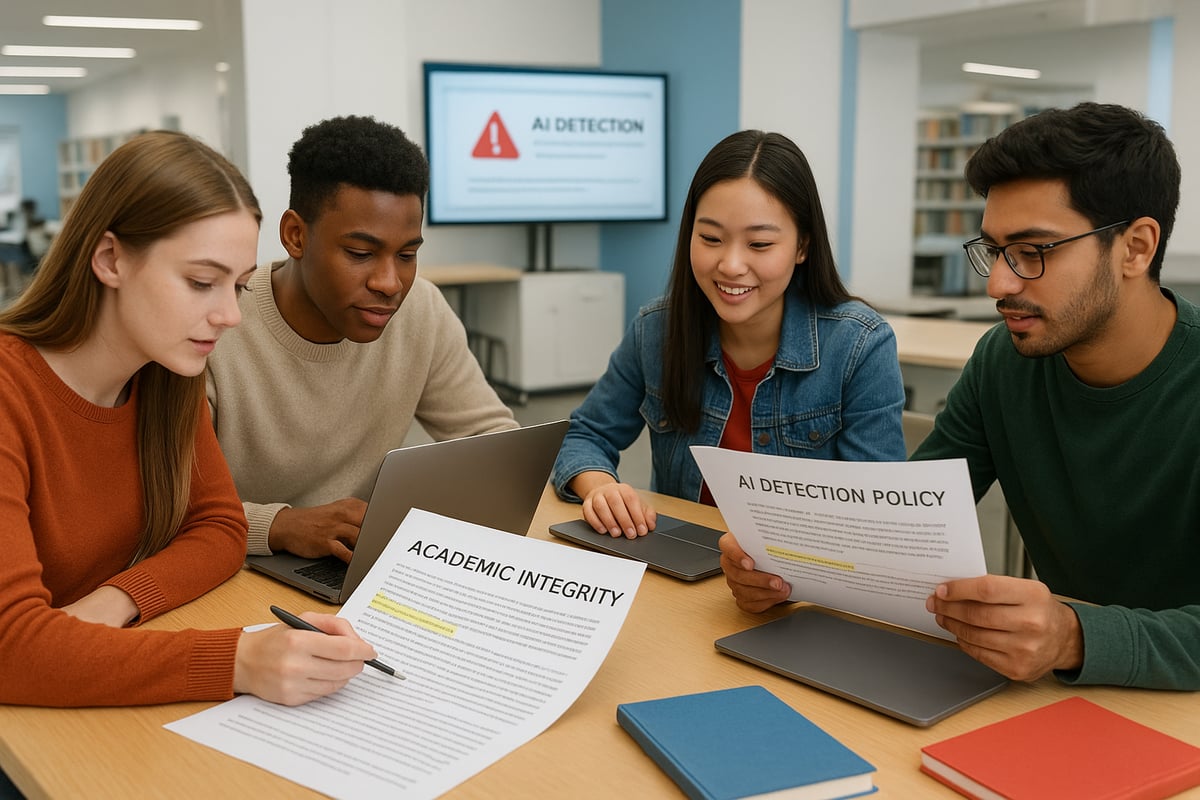
Every college approaches AI detection differently, making it crucial to learn exactly what ai detector do colleges use and how these choices shape academic expectations. Most institutions define clear boundaries in their academic integrity statements or course syllabi.
Look for details about permitted AI tools, required disclosures, and consequences of misuse. Some colleges specify acceptable uses, such as grammar checks, while others ban AI-generated content entirely. Policies may include examples or scenarios to illustrate compliance.
By proactively reviewing these documents, students can avoid misunderstandings and align their work with institutional standards. When in doubt, consult your professors or academic advisor for clarification on policy language.
Consent and Notification
Students have a right to know if their work is being screened by AI detectors, and colleges must communicate this transparently. Understanding what ai detector do colleges use is part of this process.
Typically, notifications are given through syllabi, assignment instructions, or official college portals. Some universities require explicit consent or provide opt-out options, especially if third-party tools are involved.
Case studies show colleges updating their procedures to improve clarity and ensure students are aware of AI detection practices. Always confirm how and when you will be notified, as this can affect your approach to assignments and privacy considerations.
Contesting AI Detection Results
If you are flagged for possible AI-generated content, knowing what ai detector do colleges use and the appeals process is essential. False positives can occur, especially for non-native speakers or those with unique writing styles.
When flagged, review the AI detector report and gather evidence, such as drafts, notes, or revision history, to support your case. Most colleges have formal appeal procedures that involve submitting documentation and meeting with academic review panels.
Student advocacy offices or ombuds services can guide you through the process. Being proactive and organized is key to ensuring a fair review and protecting your academic record.
Supporting Academic Skills and Originality
Colleges offer a range of resources to help students build original work and adapt to new technologies. Understanding what ai detector do colleges use allows you to seek targeted support.
Writing centers, AI literacy workshops, and citation guides are common. Many institutions encourage ethical technology use and proper attribution. For students eager to double-check their work, AI detection tools for students provide a valuable way to self-assess assignments before submission, promoting confidence and integrity.
Successful students often combine these resources with peer review and regular feedback, improving both their writing and their understanding of academic standards.
Legal and Ethical Considerations
As the use of AI detection becomes widespread, legal and ethical questions have moved to the forefront. Students must know what ai detector do colleges use and how these choices align with privacy laws and institutional responsibilities.
Colleges are required to comply with regulations like FERPA, ensuring data privacy and transparency. At the same time, students have an ethical duty to produce authentic work and respect academic guidelines.
Ongoing debates continue about fairness, consent, and the balance between innovation and integrity. Staying informed and advocating for clear, equitable policies remains a vital responsibility for every student.
Practical Tips for Students: Avoiding AI Detection Issues
Navigating academic integrity in 2025 means understanding what ai detector do colleges use and how to stay compliant. These practical tips will help you submit original work confidently and avoid unnecessary academic complications.
Know Your College’s Rules
Before you start any assignment, make sure you know what ai detector do colleges use at your institution. Review your syllabus and academic integrity policy for specific guidelines around AI-generated content.
If you are unsure, ask your professor directly about acceptable technology use. Some colleges allow AI for brainstorming or grammar help, while others prohibit it entirely.
Stay updated, as policies change frequently in response to new AI detection technologies. Being proactive helps prevent misunderstandings and keeps your work compliant.
Best Practices for Original Writing
Maintaining your unique voice is essential when considering what ai detector do colleges use. Start each project with a personalized outline, then draft your ideas before editing.
Use your own experiences and insights to develop arguments. Peer reviews and multiple drafts can help identify accidental similarities or AI-like phrasing.
Avoid excessive reliance on templates or generic language. Originality not only supports academic integrity but also ensures your work stands out to both instructors and detection tools.
Using AI Responsibly
If you use AI tools, be transparent about it, especially concerning what ai detector do colleges use for monitoring. Limit AI’s role to brainstorming, outlining, or grammar checks.
Always cite or acknowledge any AI assistance according to your college’s standards. Remember, using AI to generate large sections of your assignment may violate policy.
Responsible use means understanding both the benefits and risks, so always err on the side of caution when integrating technology into your academic routine.
Self-Checking Before Submission
Before submitting your work, consider which tools align with what ai detector do colleges use. Run your paper through reputable AI and plagiarism checkers to catch any flagged sections.
The Plagiarism and AI detection guide offers insights into how these systems work together and what you should look for in your results.
Revise any highlighted passages to better reflect your own style and ideas. This extra step can protect you from accidental violations and give you peace of mind.
What to Do if Flagged
If your work is flagged by what ai detector do colleges use, do not panic. Review the detection report carefully and gather evidence like drafts, notes, and revision history.
Contact your instructor to discuss the situation openly. Provide your documentation and be prepared to explain your writing process.
Most colleges offer an appeal process for false positives, so advocate for yourself respectfully and use available student support resources during the review.
Building Digital Literacy Skills
Understanding what ai detector do colleges use is part of becoming digitally literate. Take advantage of campus workshops, writing centers, and online resources to stay informed.
Explore in-depth AI detection category articles to build your knowledge of detection technology and academic policies.
As AI tools evolve, so should your strategies for academic honesty. Continuous learning ensures you are prepared for new challenges and can confidently navigate the digital academic landscape.
The Future of AI Detection in Higher Education
What does the next chapter look like for what ai detector do colleges use? As generative AI evolves, so do the tools colleges deploy to keep academic integrity intact. Students and educators alike must stay ahead of the curve, understanding both the promise and the complexity of AI detection in higher education.
Evolving AI Writing Tools and Detection Technology
The landscape for what ai detector do colleges use is rapidly shifting as AI writing tools become more sophisticated. Newer models, like ChatGPT-4 and Gemini, are pushing boundaries, making it harder for detection systems to distinguish between human and AI-generated text.
Detection tools now use advanced machine learning and stylometric analysis to keep pace. For example, GPTZero's Role in Education highlights how educational institutions are adapting detection methods to confront evolving AI technologies. The race between AI writers and detectors is ongoing, with both sides innovating constantly.
Integration with Learning Management Systems
Colleges are increasingly embedding what ai detector do colleges use directly into Learning Management Systems (LMS) such as Canvas, Blackboard, and Moodle. This seamless integration allows instructors to check assignments for AI-generated content as part of the grading workflow.
Automated reports and notifications help faculty identify potential issues early. Integration also streamlines compliance with institutional policies, ensuring that detection is part of the digital classroom experience. As a result, students are more aware of detection and can adjust their approach accordingly.
Personalized Feedback and Educational Use
A significant shift is underway in how what ai detector do colleges use delivers results. Instead of focusing solely on punitive measures, many colleges are leveraging detection tools to provide personalized feedback to students.
AI detection platforms now offer detailed reports that explain flagged sections, encourage revision, and guide students in developing original work. Some universities use these insights as teaching tools, fostering a culture of learning and improvement rather than punishment.
Global Perspectives and Diversity Considerations
The question of what ai detector do colleges use extends beyond North America and Europe. International universities require solutions that handle multiple languages and diverse writing styles.
Tools like Copyleaks AI Content Detection are increasingly popular for their multi-language support and adaptability. However, detection accuracy can vary based on language and cultural context, so ongoing refinement is crucial to ensure fairness for all students worldwide.
Student Advocacy and Policy Development
Student organizations are playing a growing role in shaping what ai detector do colleges use and the policies surrounding them. Advocacy groups push for transparency, fairness, and student input in detection practices.
Students want clear guidelines on how their work is evaluated and how they can appeal false positives. Their voices influence the creation of balanced policies that respect both academic integrity and individual rights.
Preparing for a Changing Academic Landscape
As what ai detector do colleges use becomes integral to higher education, students must build new skills to thrive. Digital literacy, ethical technology use, and adaptability are essential for success in an AI-driven environment.
Looking ahead, colleges are likely to focus on cultivating these skills through workshops, curriculum updates, and collaborative initiatives. The next five years promise further advances in both AI writing tools and detection technology, making ongoing education and awareness vital for students and educators alike.